Fabric of the Wind
![“Our Story of Dhaka Muslin,” AramcoWorld 2016[1]](https://gyazo.com/751055dc4a4705a2d9922b49aabfc7b2.png)
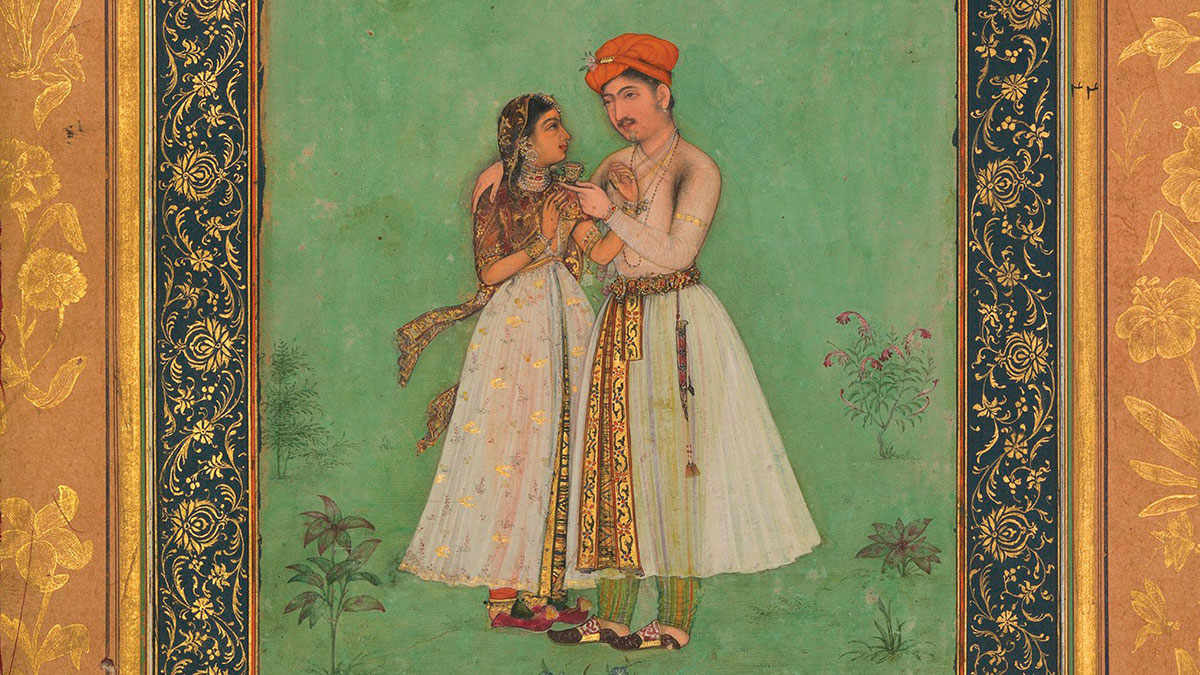
For centuries, the legendary Dhaka Muslin was more than a simple cloth[1][2]. It was often known as “woven air” as it was so fine in nature[1][2]. Dhaka, which is now Bangladesh’s capital, was once an epicenter of looms, where skilled spinners worked all day to create this delicate cotton cloth[3][4]. Muslin is made from a type of cotton referred to locally as “phuti karpas” that grew in small areas of Bengal’s fertile floodplain[3][5][6]. These cotton fibers were very limited in supply; hence, only seasoned spinners known as tantis could spin them, and only in the right humid climate[3][4]. By the Mughal era, Dhaka’s muslin signified imperial status, with paintings from this period highlighting emperors draped in translucent robes[1][7][8].
Industrialization Threat
Around the late 18th century, British industrial cotton entered the market, making machine-spun textiles cheaper and faster to produce[6][10]. Colonial policies further imposed higher export taxes on Indian weavers, while British cloth was imported tax-free[6][11][12]. Such competition and policies ultimately led to the collapse of muslin production[6][11]. By 1900, both the phuti karpas and the skilled spinners who could weave it had vanished[3][11][13]. While the word “muslin” survived, it was used to refer to any plain cotton that was mass-produced, highlighting economic displacement and cultural loss[7][13][14][15].
Revitalization of Muslin
Over the decades, Dhaka muslin was considered an artifact of folk tales, as it was perceived it would not return[2][9][17]. After vanishing for around 200 years, in the 2010s, Bangladeshi researchers, historians, and weavers launched the Bengal Muslin Project[16][17][18]. Through this project, scientists compared the genetic makeup of phuti karpas to current strains of cotton shrubs, finding a strain near Kapasia that is similar[17][18][19]. This discovery led weavers to learn how to work in monsoon humidity to preserve the thread’s integrity[3][18][20]. By the early 2020s, new pieces of muslin were displayed in Dhaka and the British Museum in London, with the Bangladeshi government giving a Geographical Indication (GI) status to muslin to showcase it being an intangible part of the nation’s heritage[6][16][17][21].
![Victoria & Albert Museum Collections, “Muslim Gown, ca. 1790-1800.”[5]](https://gyazo.com/28d0d01cc2f23997ed839dcda2f41f5c.png)
Significance of Muslin Now
It’s more than fashion: Dhaka’s muslin revival is reclaiming history. For Bangladesh, this fabric highlights resilience through the ability to recover a craft once lost to colonization and industrialization[3][6][16][21]. While muslin remains a niche product economically, each muslin garment sells for thousands of dollars and remains symbolic[20][21]. It bridges past and future by representing both cultural heritage and innovation further showcasing how in current times of fast fashion, intricate craft work still holds immense value[3][6][21].
![Master weaver Al-Amin weaving Dhaka Muslin, AramcoWorld 2016[1]](https://gyazo.com/2554a229a154d58f706dfdfe6c676f9a.jpg)
Future for Muslin
As of now, muslin products are still rare. In order to make the muslin craft readily available again, a few issues must be addressed: 1) training new artisans, as it takes immense skill and time to master the craft of weaving muslin, 2) sustaining cotton, as phuti karpas are susceptible to floods and soil change, and 3) building ethical markets, as workers can be easily exploited in pursuit of creating these luxury goods[3][16][19][21]. Nonetheless, this garment highlights how science and art can come together to resurrect a lost craft[6][17][20].
Dhaka’s muslin went from being a royal relic that disappeared that then reappeared through scientific inquiry. Once considered extinct, it now represents how threads severed by history with care can be rewoven[6][16][21].
References
[1] AramcoWorld. (2016). Our Story of Dhaka Muslin.
[2] Ashmore, S. (2018). Handcraft as Luxury in Bangladesh: Weaving Jamdani in the Twenty-First Century. International Journal of Fashion Studies, 5(2).
[3] Sharmin, F., & Hossain, S. T. (2020). Revitalization of Handloom Communities for Preserving the Craft Heritage of Bangladesh. Urban and Regional Planning, 5(1).
[4] Art Institute of Chicago. (2021). Muslin Like “Woven Air”: Indian Textiles in Fabricating Fashion.
[5] Manivannan, A., et al. (2024). Combining Ability Studies in Desi Cotton (Gossypium arboreum L.) Genotypes. Journal of Cotton Research.
[6] Hoque, M. B., et al. (2025). The Historical and Cultural Legacy of Muslin in South Asia: From Colonial Decline to Contemporary Revival. ResearchGate.
[7] Dawn. (2022). The Long-Lost Fabric of Bengal Returns.
[8] Thread Magazine. (2023). The Sheer Beauty of Dhaka Muslin.
[9] Victoria & Albert Museum. (ca. 1790–1800). Muslin Gown. Retrieved from https://collections.vam.ac.uk.
[10] Eaton, R. (1993). The Rise of Islam and the Bengal Frontier, 1204–1760. University of California Press.
[11] Roy, T. (2012). India in the World Economy: From Antiquity to the Present. Cambridge University Press.
[12] Hobsbawm, E. (1969). Industry and Empire. Penguin.
[13] Ali, S. (2015). The Textile Heritage of Bengal: A Historical Overview. Bangladesh Journal of History, 42(1).
[14] Habib, I. (1998). Essays in Indian History: Towards a Marxist Perception. Tulika.
[15] McGill University Museum. (2020). Dhaka Muslin: Fabric of the Wind. Exhibition Catalog.
[16] Al Jazeera. (2022). Textile Hub Bangladesh Revives Muslin, the Forgotten Elite Fabric.
[17] Smithsonian Magazine. (2020). Researchers Work to Revive Beloved Dhaka Muslin Fabric.
[18] Bengal Muslin Project. (2021). Final Report on Revival Research and Field Trials. Dhaka.
[19] Ahmed, F. (2023). Cotton Cultivation and Genetic Rediscovery in Bangladesh. Bangladesh Agricultural Review, 18(2).
[20] Thread Magazine. (2023). The Sheer Beauty of Dhaka Muslin.
[21] Government of Bangladesh. (2020). Geographical Indication (GI) Registry for Muslin. Ministry of Industries.